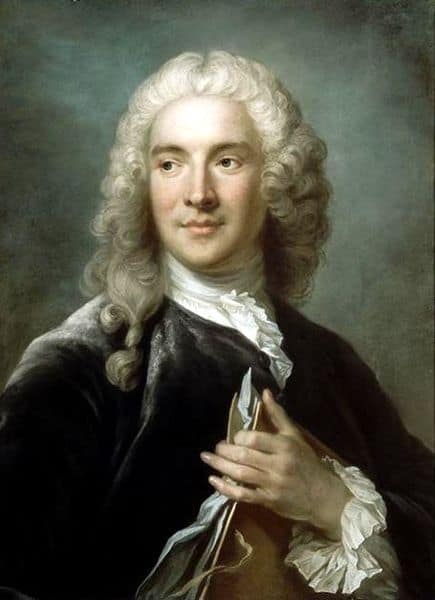
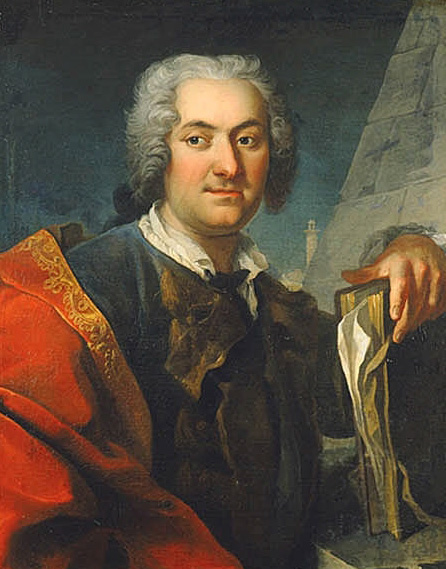
Christian Precht was a Swedish goldsmith and silversmith, and a designer of ornament, whose name stands among the foremost in the introduction of the Rococo style into Swedish craftsmanship.
He was born in Stockholm in the year 1706, the son of Burchard Precht, sculptor to the royal court. Having served his apprenticeship under his father, and afterward under the silversmith Gustaf Stafhell, he set forth in his young manhood upon a lengthy journey through Europe, sojourning in London, Paris, and divers German cities. It was in Paris that he came to know the French masters of the Rococo manner — an encounter that was to shape the whole of his subsequent art.
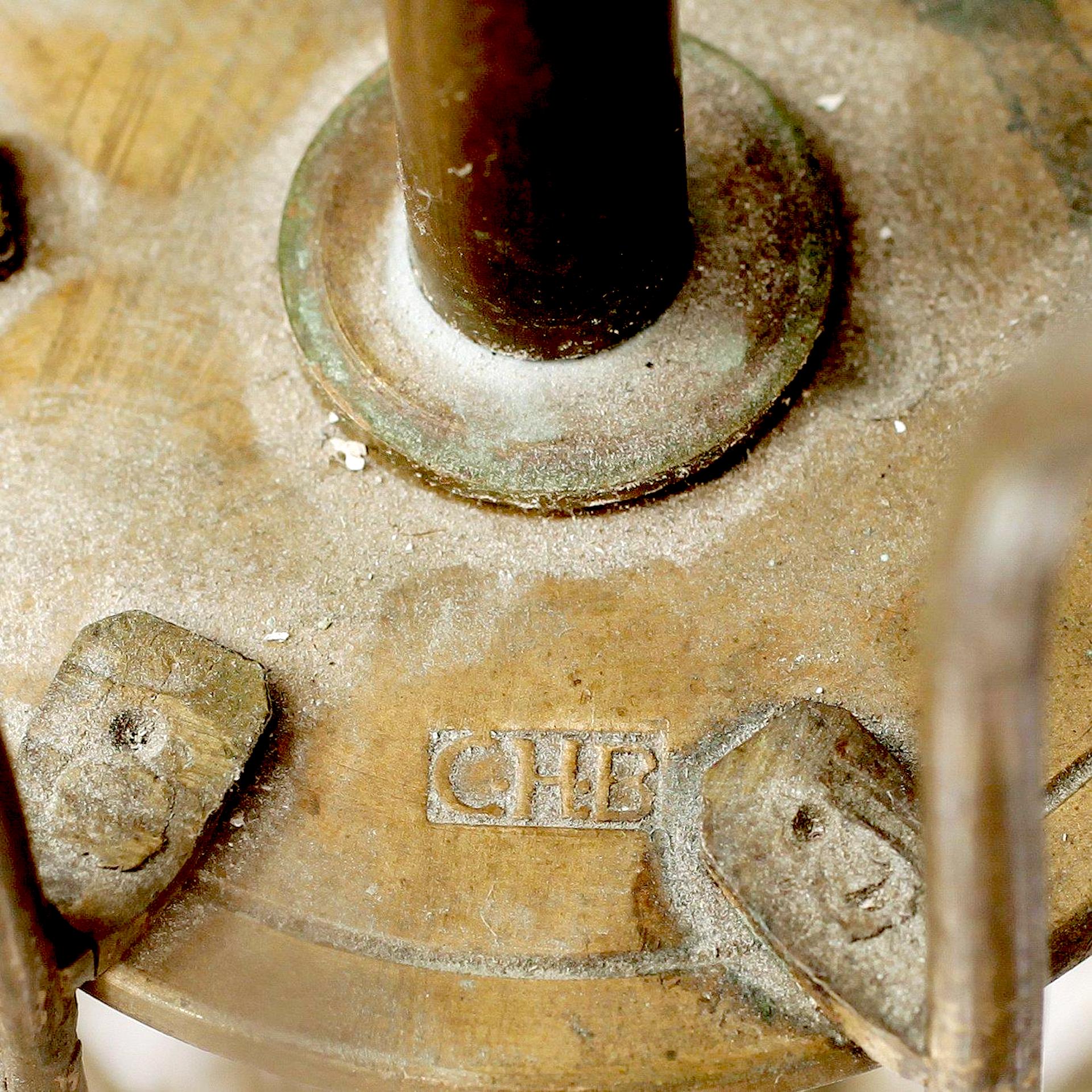
Upon his return to Stockholm, he took over his father’s workshop together with his brother, following the elder Precht’s death in 1738. Yet Christian Precht never sought the rank of master within the goldsmiths’ guild, and was thus denied the right to set his own mark upon his works; his pieces are therefore commonly found bearing the stamps of other masters, notwithstanding that his workshop was large and much occupied. He fashioned table-plate, cutlery, snuff-boxes, and jewels, and numbered the royal court among his patrons.
It was as a designer, however, that he achieved his greatest renown. A great many of his pattern-drawings for works in gold and silver survive to this day, and bear witness to how he brought the French Rococo taste into Swedish craftsmanship. In his later years his labours extended likewise to the designing of porcelain, in concert with the faience manufactory at Marieberg and the porcelain works at Rörstrand.
Christian Precht died unmarried in Stockholm in 1779, and is remembered by posterity as among the principal bearers of the Rococo style into eighteenth-century Sweden.